Kali's Competitive Workplace by AlavGTS
Overview
Kalis Competitive Workplace by AlavGTS is a visually striking comic that blends corporate rivalry with the thrilling allure of the giantess fetish. Set in a sleek, ultra‑modern office tower, the story follows Kalis, a towering executive whose extraordinary height becomes both a symbol of power and a source of tantalizing tension.
Visual Style
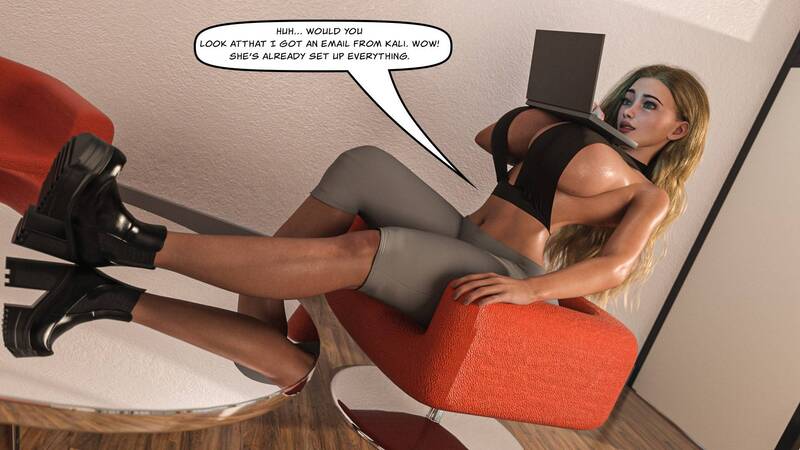
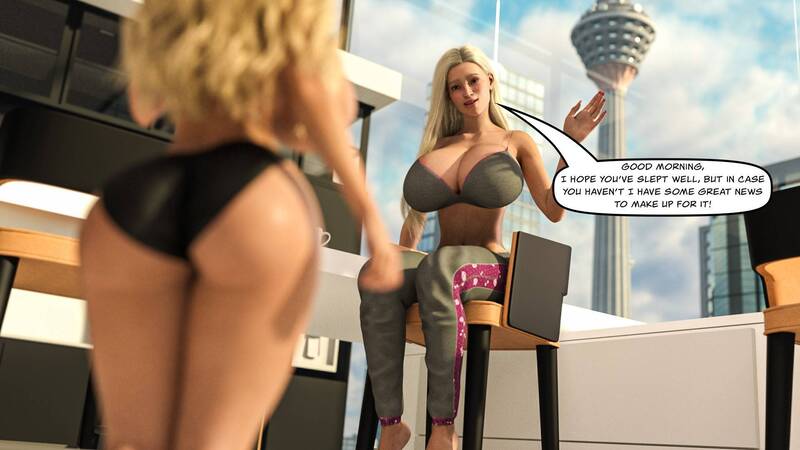
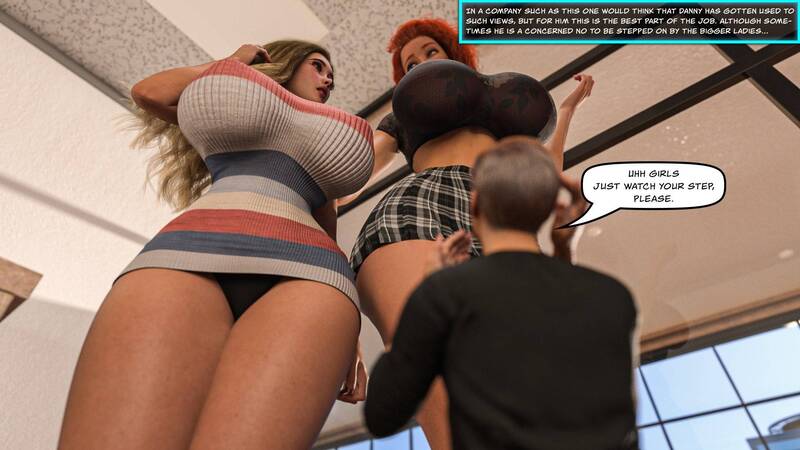
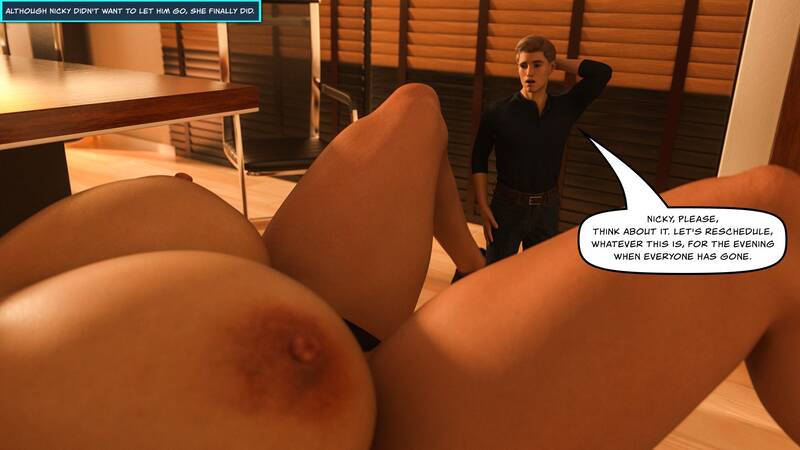
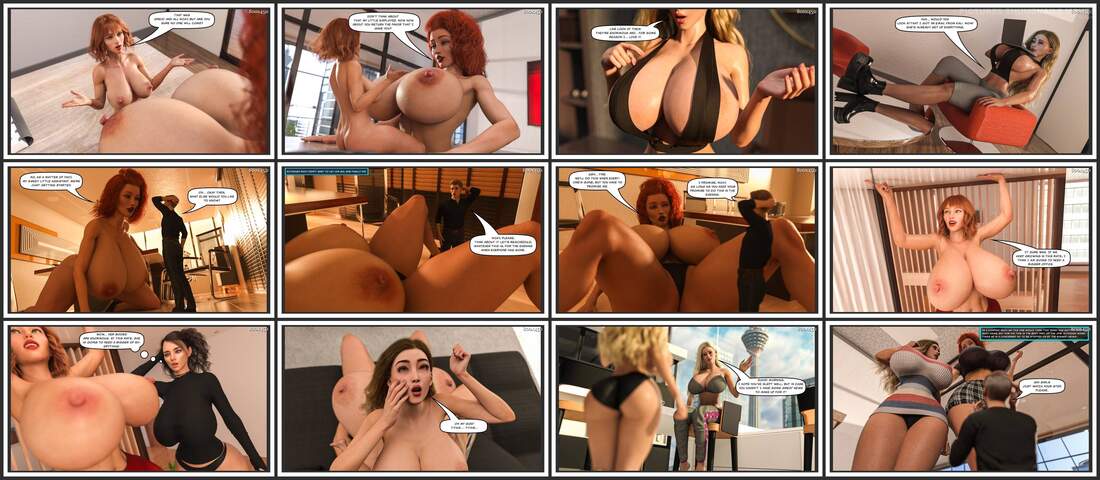
The artwork is rendered in crisp, high‑contrast lines, emphasizing the stark size contrast between Kalis and her coworkers. Panels often frame the giantess from low angles, accentuating her dominance, while the surrounding environment—glass walls, polished desks, and humming machinery—shrinks in comparison.
- Dynamic perspective shots that highlight the vertical scale.
- Close‑ups of Kalis’s graceful stride, showing the subtle sway of her long hair and the soft ripple of her high‑heeled shoes over the office floor.
- Muted corporate color palettes punctuated by bold splashes of red and gold whenever Kalis asserts her authority.
Thematic Elements
The narrative explores the psychological interplay of authority and desire. Kalis’s immense stature creates a palpable sense of awe; colleagues are simultaneously intimidated and fascinated, embodying the core of the giantess fetish—an intoxicating blend of vulnerability and reverence. The comic deftly avoids dialogue, relying on body language, facial expressions, and meticulous panel composition to convey tension, rivalry, and the unspoken magnetic pull of the towering figure.
Key Scenes
Memorable moments include:
- Kalis stepping over a conference table, her shadow stretching across the polished floor as other executives scramble to keep documents upright.
- A slow‑motion sequence where she gently lifts a frantic employee with a single fingertip, illustrating both control and a nuanced softness.
- The climax: Kalis perched atop the executive suite’s penthouse balcony, overlooking the city, while the building’s silhouette mirrors her own imposing form.
Audience Appeal
Fans of high‑stakes workplace drama will appreciate the meticulous world‑building, while enthusiasts of the giantess fetish will find the visual emphasis on size differentials and power dynamics especially compelling. The absence of dialogue invites readers to immerse themselves fully in the atmospheric tension and the unspoken narrative.